Top 10 Tips On Local Vs. Online Rates In Terms Of Exchange Rates And Currency
Knowing the distinction between online and local exchange rates in the current global economy is essential for those who are involved in investing, business, or travel. Local rates refer to the exchange rates provided by physical currency exchange outlets or banks, as well as ATMs in your area or at your destination. Online rates refer to exchange rates provided by financial and digital platforms as well as organisations. They are subject to substantial variations, and can be a significant influence on the amount you pay for currency exchange as well as your investment return. You can make informed decisions and save money by understanding the nuances between local and online rates. The top ten tips to make the most of local and online rates with ease are listed below.
1. Know the difference between rates
Local exchange rates can be quite different from online rates. This is due to various factors such as overhead cost, market conditions, and demand. Local exchange services may have more expensive fees or lower rates due to operating costs. Online platforms, on the other hand, often offer better rates as they have lower expenses. Understanding these differences will help you select the ideal exchange rate that meets your requirements.
2. Compare rates before changing currency
Compare local and online rates before changing currencies. You can compare rates of currency in real-time by using reliable websites and currency converter tools. Compare the exchange rate online against the rates at local currency kiosks and banks if you are planning to travel abroad. This will allow you to find the best option for you and help you save money.
3. Utilize Online Currency Exchange Platforms
Online currency exchange platforms such as Wise and Revolut offer more affordable rates and less costs than local banks and exchange kiosks. They offer the most current rates for currency exchange, and they are transparent about the fees. By using these services you can be sure that you're getting the best deal possible in converting currencies.
4. Be aware of dynamic currency Conversion (DCC).
If you are buying something from in another country, you could be given the option to pay using your home currency by using Dynamic Conversion. While this option may seem useful, it is often accompanied with a negative exchange rate, and additional charges. To stay clear of DCC fees and to get more favorable rates, you must always pay in your local currency.
5. Comparing Costs and Convenience Cost
If you're deciding between local rates and the online rate, you must weigh convenience against the cost. Local exchanges may provide fast access to cash when you are traveling. However, online exchanges often offer better rates but may require setting up a bank account, or waiting for money to be transferred. Assess your needs based on your plans for travel or business transactions to determine which option works best for you.
6. Track Trends in Exchange Rates
– Monitoring exchange rate trends will help you make educated decisions about when to convert your currency. Online platforms often provide historical data and analytical tools that allow you to observe changes in exchange rates. Knowing market trends can assist you better plan your currency exchanges so that you take advantage of the best rates.
7. Review the ATM fees and withdrawal limits.
It is important to be aware that there may be charges for local withdrawals if you take money out of an ATM when traveling. Different banks may charge different fees for international transactions. And ATMs will often determine their own limits for withdrawals. You can locate ATMs with reduced rates or fees by researching ATMs in your area prior to your trip. This will help ensure that you get the best price on your withdrawals.
8. Free Currency Exchange Service
Certain online platforms and banks offer currency exchange without charge, particularly for customers with accounts. This is particularly beneficial for businesses or frequent travelers who frequently exchange foreign currency. Think about opening an account with such institutions to enjoy better rates and lower costs, thus maximizing your savings when exchanging currencies.
9. Get advice from Financial Experts for Large Transactions
If you're dealing with large sums of money, or an intricate exchange rate, then the guidance of financial experts is invaluable. Currency specialists provide valuable insight regarding the best methods to use local and internet rates. This is especially important for those involved in international trade or those looking to optimize their currency exposure.
10. Plan Ahead Cash Flow
When you travel or conduct business, planning ahead for your currency needs will help you save both time and money. Think about how much cash will be needed for your journey and the most efficient method to exchange the money. If local rates are unfavorable think about making use of online platforms to convert your cash before you travel, ensuring you have access to more favorable rates, and lessening the risk of losing money due to unfavourable exchanges.
You can make better choices about currency exchange by utilizing these suggestions. This applies regardless of whether you're on vacation performing business, or managing investments. Understanding the benefits and drawbacks of both will help you to make the right financial choices that are in line with your goals, saving you money. Read the most popular homepage about AED to USD for website info including pesos to usd, us dollar to pakistani rupee, exchange rate, dollar to won, currency exchange, us dollar to php, usd to chinese yuan, us dollar to php, dollars to pounds, convert gbp to usd and more.
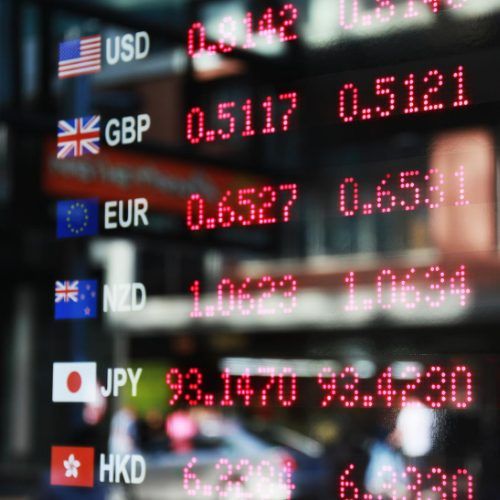
Top 10 Tips On Rates And Exchange Rates For Currencies Of Destination
Knowing the currency of your destination is essential for those planning to travel overseas, doing international business, managing investment overseas or doing international transactions. Destination currency is the local money of the country in which you're travelling or conducting business. It can influence your financial decisions. Variations in exchange rates, conversion charges and the general economic conditions can impact the you spend your money on business or travel transactions. If you are familiar with the currency you will be using and the implications of it and implications, you can improve your financial strategies and make educated choices. Below are the top ten specific tips to effectively manage the currency of your destination in your financial activities.
1. Before travel, it's important to research the currency of the country.
– Prior to traveling to a different destination be sure to research the local currency. Learn about its value in relation to the currency you use at home, and familiarize yourself with the different denominations of currency. This will aid you in managing your finances and prevent overpaying for products and services. Websites such as XE.com provide real-time information and historical exchange rates, which allows you to estimate the value of money you spend abroad.
2. Be aware of the exchange rate prior to your trip
Exchange rates change dramatically over time, and monitoring the changes will help you determine the best time to exchange your cash. Tools and apps for tracking currency can be used to set up alerts when rates are favorable. If you notice a decline in trend, you should exchange your currency earlier to increase the buying power of your travel.
3. Currency Conversion Costs What should you Be Thinking About?
Fees for currency exchange as well as ATM charges can vary widely among banks, currency exchange firms, or ATMs. Take note of costs associated with converting your currency from home to the destination currency, as these fees could eat up your budget. Review rates from a variety of providers and consider using online platforms that offer low exchange rates and less fees for conversion of currency.
4. Use local currency to make transactions
– When making purchases abroad it is best to pay using the local currency, not the currency of your home country. Paying in your home currency usually requires the dynamic conversion of currency (DCC), which typically comes with poor exchange rates and high charges. You may benefit from lower exchange rates by paying in your local currency.
5. Set your Cash Needs for the Future the future
Even though debit and credit cards are used widely in a variety of countries, it's crucial to have cash in your wallet for small purchases or suggestions. You may also need cash in locations that do not accept cards. To avoid costs, you need to know the ATM withdrawal limits as well as associated fees. A local currency that is readily available can enhance your travel experience and help avoid hassles.
6. Understanding local payment options
Different countries have different preferences for payment methods. In certain countries cash is the most popular option, while others may lean heavily on digital payment methods or credit cards. Discover the local payment cultures to discover what's the most well-known. This will allow you to organize and plan your payment options.
7. Business Currency Risks: Be Alert
If you're conducting business abroad be aware of risk of currency fluctuations that can be triggered by changing exchange rates. A sudden drop in value of a destination currency could impact your profits or overall financial performance. Consider using hedging strategies like forward contracts, which secure exchange rates for future transactions and mitigate potential losses from currency volatility.
8. Make a note of the money you spend
It is crucial to keep track of the budget for your travels and spending in the local currency. You can track your expenditures in local currency with programs that aid in budgeting or keeping precise records of purchases. This will allow you to keep your expenses under control and ensure you have enough money.
9. Be Educated on Financial Regulations
Different countries have different laws in relation to exchange of currency, cash transactions, and reporting requirements. It is crucial to know the regulations to avoid legal issues during travel or business. Certain countries might limit the amount you can bring into or out of a country and others may require you declare large transactions. Being informed will help you get through these regulations without hassle.
10. Consult Currency Experts for Investments
You should consider consulting with currency experts or financial advisors if your investment portfolio includes foreign markets. They can offer insights on how fluctuations in currency affect your portfolio of investments. They can also help you to develop strategies that effectively manage currency risks. Their knowledge will assist you navigate the complexity around destination currencies, and improve your financial results.
Use these tips for a thorough way to manage the currency of your destination, and you will be able to navigate through the complex world of business, travel, and investment monitoring more effectively. Knowing the implications of destination currency can help you make more informed financial decisions that are in line with your goals. Read the top rated breaking news on euro for site recommendations including 1 usd to inr, usd jpy, us dollar to php, pesos to us dollars, dollar to rupee, euro to dollar conversion, us dollar to pakistani rupee, us dollar to pkr, canadian dollar to usd, british pound to dollar and more.